A drum of drained transformer oil doesn’t have a label indicating whether it’s safe to recycle or headed for costly disposal. For utility and manufacturing teams handling retired transformers, that uncertainty is the real cost of PCB transformer oil disposal: you won’t know until a lab confirms it, and you don’t want to guess wrong. Guess that the oil is clean when it isn’t, and a facility risks a serious compliance problem.
Assume the worst and pay for full disposal when the oil was actually recyclable, turning what could have been reused into an unnecessary cost. For teams managing more than one retired transformer at a time, that uncertainty multiplies fast. The oil itself holds the answer. It just needs to be tested correctly, and then most of it can go back into productive use instead of a landfill or incinerator.
What Is Transformer Oil and Why Can It Contain PCBs?
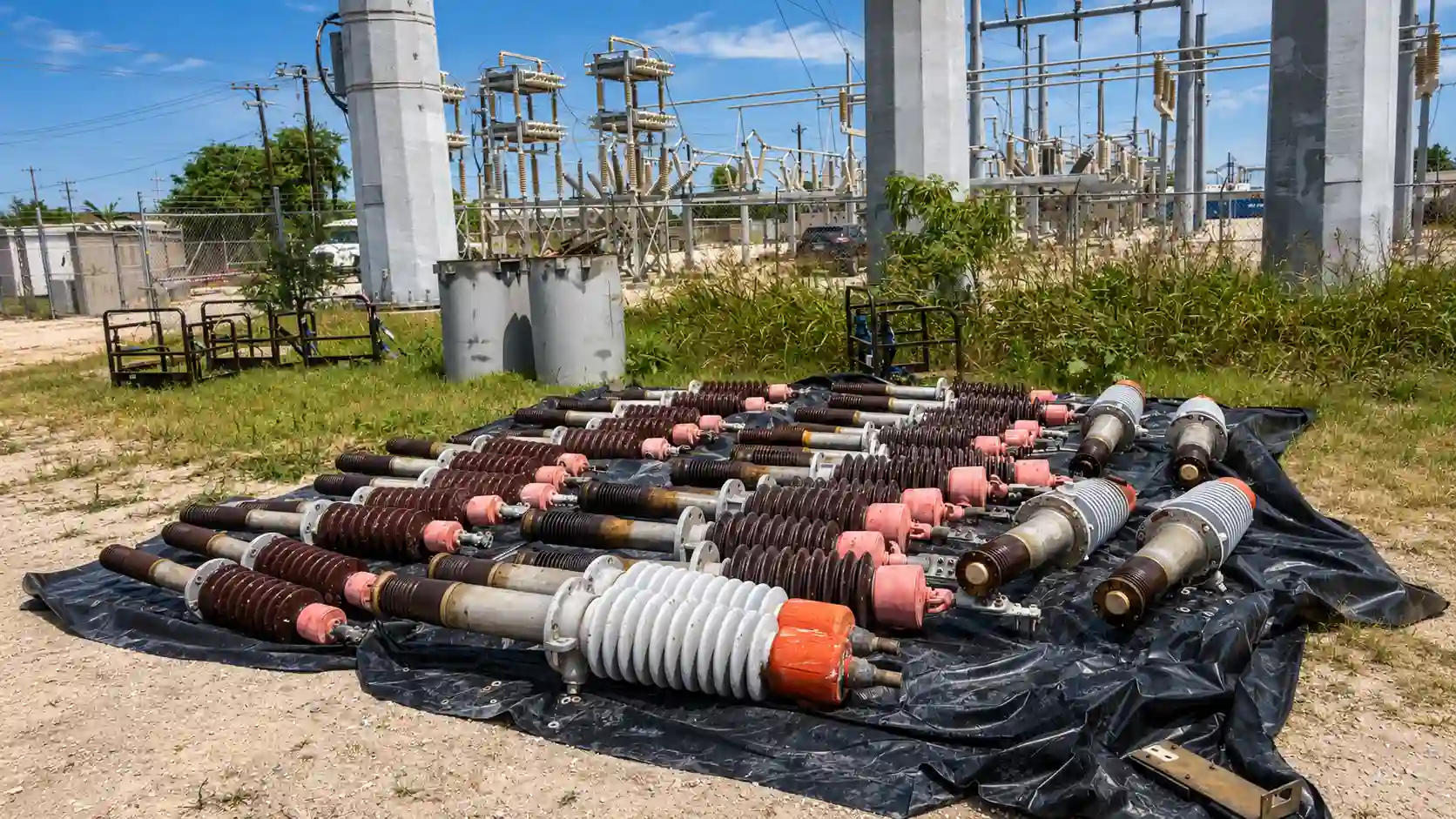
Transformer oil, also called dielectric fluid, does two jobs inside a transformer. It insulates the internal windings and carries heat away so the unit doesn’t overheat under load. For decades, that oil worked well enough that nobody questioned what was blended into it. Some transformers built before 1979 used oil containing PCBs, added because the compound resisted heat and helped prevent fires inside the unit.
That fire resistance mattered most for transformers installed indoors or in vaults, where a fire involving flammable oil posed a serious risk to the surrounding building. The same property that made PCB-treated oil valuable decades ago is exactly what makes it persistent and difficult to break down once it’s released into soil or water today. The oil looks and smells identical whether it’s clean or contaminated, which is exactly why a visual check tells a facilities manager nothing useful about what’s inside.
Manufacture date is a starting clue, not a verdict, since some pre-1979 units were never filled with PCB-containing fluid and some units built later were topped off with oil from an older, contaminated source somewhere along the way. Only a laboratory result settles the question, which is why A-Line E.D.S. treats every incoming sample as unverified until its own lab says otherwise.
Transformer Oil Recycling Market Challenges
Recycling used industrial oil is normally a straightforward, high-value process, and transformer oil is no exception, until PCBs enter the picture. Under federal guidance on preventing PCB contamination in used oil, once oil above the regulated PCB threshold is mixed into a larger, otherwise clean batch, the entire combined volume must be treated as contaminated. Dilution doesn’t change that classification, and the tanks and transport equipment that carried the mixed oil also need decontamination.
That single fact is why a transformer recycler that tests before combining batches protects far more oil than one that tests after the fact. A few gallons of contaminated fluid, handled carelessly at the wrong point in the process, can turn hundreds of otherwise recyclable gallons into waste, along with whatever equipment was used to move it. This is the real market challenge behind PCB transformer oil disposal. The testing itself is not the hard part. The sequencing is.
Oil must be classified before pooling with other batches, loading for transport, or scheduling for reuse. Get that order wrong, and a facility pays twice, once for oil that had to be landfilled or incinerated instead of recycled, and again for the decontamination that follows a mixing mistake. That order, test first and combine second, matches the sequencing A-Line E.D.S. follows for every batch it processes.
Testing Transformer Oil for PCBs
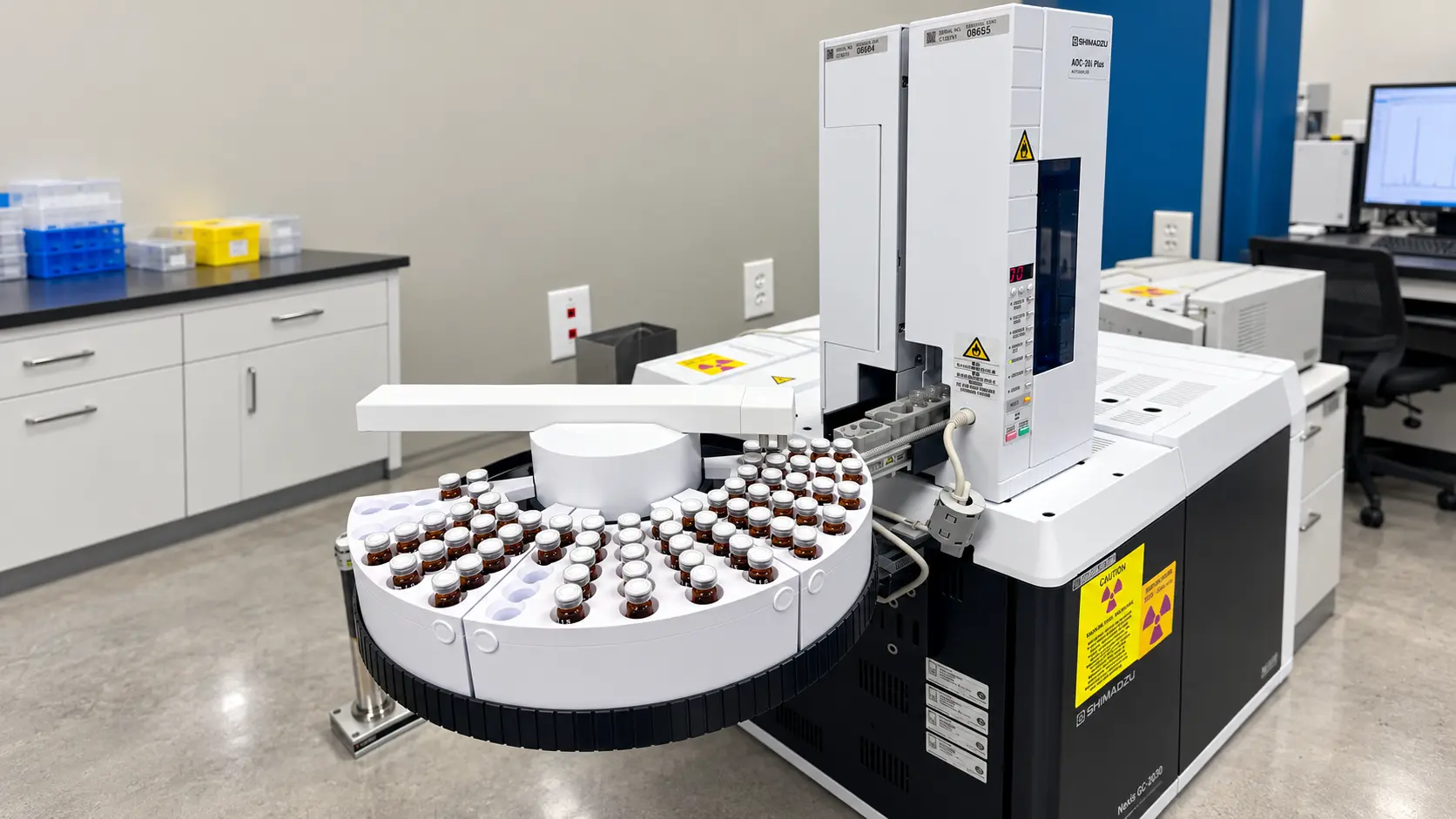
A-Line E.D.S. tests every sample in its own laboratory using ASTM D 4059, the same standard used to identify PCB concentration in Aroclors. The result places the oil into one of three categories: non-detect, non-PCB, or PCB-contaminated. That classification determines whether the oil can go directly into recycling, needs specialized processing, or requires disposal, and it’s the single reading everything else in this process depends on. Testing starts with a small oil sample drawn directly from the transformer or storage container, not an assumption based on the unit’s age or origin.
Running that testing in-house, rather than shipping the sample to an outside lab, keeps turnaround measured in days instead of the week or more it can take when a sample has to travel before analysis even begins, plus a second point of contact who wasn’t present when it was collected. A-Line E.D.S.’s lab PCB testing service keeps sampling, analysis, and classification under one roof, so the oil’s path forward is based on one accurate reading taken by the same team that will eventually process it, not a chain of separate vendors working from a report.
Can Transformer Oil Be Recycled?
Yes, and for most transformer oil, recycling is the outcome once testing confirms it. A-Line’s oil recycling program uses a proprietary process that removes PCBs from oil, transformers, and electrical equipment, even at high concentrations. The process produces no emissions, is EPA-permitted, and recovers 100 percent of the transformer oil that runs through it, rather than sending any portion to a landfill.
That recovery rate changes the economics. Disposal is a cost with nothing coming back. Recycling turns the same retired oil into a resource instead of a liability, a meaningfully better outcome for a utility or manufacturer closing out a decommissioned transformer without absorbing unnecessary waste-handling expense.
Recycled transformer oil doesn’t have to sit unused either. Reclaimed dielectric fluid can be reprocessed and returned to service in other equipment, extending the useful life of a resource that would otherwise be burned or buried. For oil that genuinely can’t be recycled once it’s classified, A-Line E.D.S.’s PCB disposal service closes that loop safely, applying the same proprietary elimination process to whatever fraction of the equipment or fluid can’t go straight back into use.
Where to Get Transformer Oil Testing and Recycling
A-Line E.D.S. has operated out of Waterloo, Iowa since 1997, and its crew brings more than 100 years of combined experience in transformer testing, dismantling, and recycling.
The company owns and operates its own PCB commercial storage facility rather than routing that step through a third party, so testing, classification, storage, and recycling stay in-house instead of being coordinated across several outside vendors. Utilities and manufacturers across North America already rely on that setup to move retired transformer oil from an open question to a documented, recycled result, without adding extra handoffs to an already time-sensitive process.
Ready to Find Out What’s in Your Transformer Oil?
Testing is the only way to know whether a batch of transformer oil is headed for recycling or disposal, and getting an accurate answer quickly keeps that decision from costing more than it should, especially since the same lab that runs the test is also the team that processes the result. Contact A-Line E.D.S. to schedule testing and start the recycling process.