Common Causes of Transformer Failures
Transformer failures can occur for a variety of reasons, many of which are preventable with proper planning and care. Common causes include:
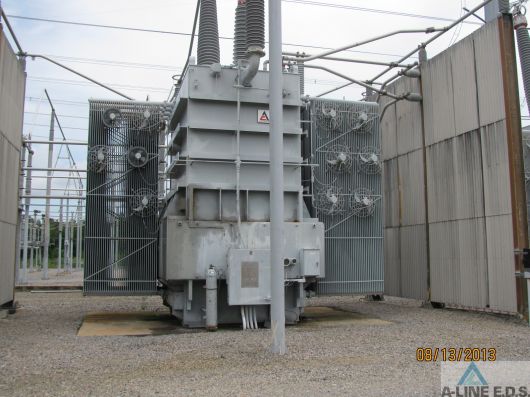
- Aging Components: Over time, the cumulative operating hours of a transformer, especially under heavy loads, can accelerate the deterioration rate of insulation and other critical parts.
- Moisture Ingress: Improperly sealed tanks and unmaintained silica gel in free-breathing units can allow moisture into the insulating oil, compromising the transformer’s effectiveness.
- Overloading: Running transformers beyond their rated capacity generates excessive heat, which degrades winding insulation and increases the risk of failure.
- Environmental Damage: External factors such as leaks, debris, or vegetation overgrowth can create vulnerabilities.
Understanding these risks is the first step toward mitigating them and ensuring long-term transformer reliability.
The Importance of Regular Maintenance and Inspections
Routine maintenance and inspections are critical to the health and performance of transformers. Proactive steps include:
- Oil Testing: Ensuring proper oil levels and quality helps to maintain optimal insulation and cooling.
- Seal Integrity Checks: Regularly inspecting seals and gaskets to prevent leaks and contamination.
- Load Monitoring: Verifying that electrical loads are within the transformer’s rated capacity to avoid overheating.
- Site Cleanliness: Clearing vegetation and debris around substations to prevent physical damage or interference.
At A-Line E.D.S., we emphasize the importance of planned maintenance schedules. By addressing minor issues during inspections, major failures can often be avoided, saving time, money, and environmental impact.
How A-Line E.D.S. Supports Transformer Reliability Through Forensic Analysis
A-Line E.D.S. combines specialized expertise and advanced, proprietary equipment to investigate transformer failures and help clients prevent similar issues in the future:
- Comprehensive Forensic Services: Through detailed transformer teardown and root cause failure analysis, we identify the underlying issues, whether mechanical or electrical, providing insights that inform better maintenance and operational practices for other transformers.
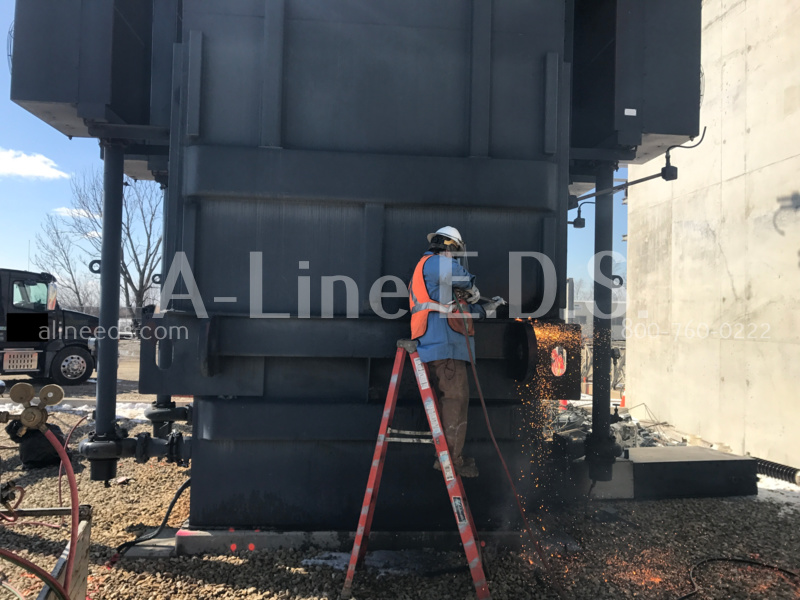
- On-Site Failure Analysis: Our teams conduct focused evaluations of failed equipment on-site to document and examine damage, such as compromised core steel, degraded winding insulation, or faulty seals, ensuring no critical detail is overlooked.
- Environmental Compliance: With a strong commitment to adhering to regulatory standards, we ensure all recycling, oil disposal, and decommissioning processes are performed with minimal environmental risk.
- Customized Solutions: By tailoring our services to meet the unique needs of each failure analysis project and site, we provide targeted solutions that prioritize safety, efficiency, and cost-effectiveness.
A-Line E.D.S. has built a reputation for excellence in forensic analysis, helping utilities and manufacturers learn from failures to minimize future risks and maximize equipment longevity.
Innovative Tools for Forensic Transformer Analysis
A-Line E.D.S. leverages state-of-the-art tools and patented equipment to deliver detailed forensic analyses of transformers. These tools enable:
- Precise Teardown Processes: Our specialized equipment allows for the meticulous disassembly of transformers, ensuring that critical failure areas remain intact for evaluation.
- Data-Driven Insights: We provide customers with comprehensive documentation, including photographic evidence and physical samples, to support root-cause failure analysis.
- Expert Collaboration: By working closely with clients, utilities, manufacturers, and insurers, we deliver insights that inform future maintenance and design improvements.
These innovative approaches help our clients understand not only how a transformer failed but also how to prevent similar issues in the future.
Environmental Compliance in Transformer Maintenance
Environmental responsibility is at the core of A-Line E.D.S.’s operations. We prioritize compliance through:
- Safe Oil Handling and Disposal: Utilizing EPA-approved methods, we manage PCB oil recycling and disposal with precision and care to protect the environment.
- Recycling Efficiency: Metals, core steel, and other transformer materials are processed to ensure maximum reuse and minimal waste.
- Clean Site Standards: Every project is completed with a commitment to leaving sites in better condition than when we arrived, preventing potential contamination.
By aligning with regulatory requirements and adopting eco-friendly practices, we ensure that every project meets the highest environmental standards.
Proactive Oil Management: A Critical Component of Prevention
Transformer oil is vital for insulation and cooling properties and funcitonality, and its condition directly impacts performance. Those responsible for transformer maintenance should ensure optimal oil management through:
- Oil Testing and Analysis: Regular testing helps detect contamination, oxidation, or moisture, preventing insulation breakdown and overheating.
- PCB Processing and Disposal: We handle PCB-contaminated oil safely, adhering to stringent environmental standards.
- Oil Recycling: By recycling used oil with advanced processing capabilities, we provide a sustainable solution while supporting environmental goals.
Proactive oil management is a cornerstone of transformer reliability, helping to extend operational lifespan and reduce failure risks.
Mitigating External Threats: Weather, Wildlife, and More
Transformers face constant exposure to environmental hazards, which can lead to unplanned failures. It is possible to mitigate these risks by:
- Physical Safeguards: Ensuring that radiators, seals, and bushings are protected from debris, vegetation, and animal interference.
- Weather Preparedness: During teardown or maintenance projects, safeguard materials and components from weather-related damage.
- Lightning Protection: Although rare, lightning surges can cause catastrophic damage. Our forensic analyses often highlight areas for improvement in surge protection.
By identifying and addressing external threats, A-Line E.D.S. helps customers maintain safer, more resilient transformer systems.
Partnering with A-Line E.D.S. for Forensics and Future Transformer Reliability
When it comes to transformer failure analysis, A-Line E.D.S. doesn’t just stop at identifying the cause — we empower our clients with actionable insights to improve maintenance practices, prevent future issues, and optimize operations. By working collaboratively with utilities, manufacturers, and engineering consultants, we deliver results that extend beyond the immediate failure to benefit your entire transformer fleet.
Ready to Enhance Transformer Longevity?
Contact A-Line E.D.S. today to learn more about our forensic analysis services and how we can help you minimize risks, maximize reliability, and protect your investment.
If we can’t do it, it can’t be done.