Understanding the Role of Forensic Failure Analysis in Transformer Failure
Forensic failure analysis plays a critical role in ensuring future transformer reliability by uncovering the root causes of malfunctions or breakdowns. This detailed investigative process examines every aspect of a failed transformer, from physical damage to operational history, to determine why the failure occurred.
By identifying the precise factors contributing to a failure, forensic analysis provides actionable insights that can help operators prevent similar issues in the future. It also supports maintenance teams in fine-tuning their strategies, ensuring transformers operate at peak efficiency throughout their lifespan. A-Line EDS’s expertise in forensic investigations allows utility companies and manufacturers to make informed decisions about their transformer fleets, enhancing reliability and reducing the risk of costly unplanned outages.
Identifying Common Causes of Transformer Failures
Transformers face a variety of stressors throughout their operational life, many of which can lead to failure if left unaddressed. Common causes include:
- Electrical Disturbances: Overvoltage events, such as lightning strikes or switching surges, can damage insulation and core components.
- Thermal Overloads: Excessive heat can degrade insulation materials, reducing the transformer’s ability to handle mechanical stress.
- Moisture Ingress: Water contamination in transformer oil can compromise insulation performance, leading to electrical faults.
- Aging Equipment: As transformers age, their internal components, such as windings and insulation, wear out, making failures more likely.
- Manufacturing Defects: Rarely, inherent flaws in the design or construction of a transformer can lead to premature failures.
Forensic failure analysis from A-Line EDS investigates these causes and more, providing operators with the insights needed to address vulnerabilities proactively in the future.
Steps in Conducting a Comprehensive Forensic Analysis
A thorough forensic failure analysis involves a structured, step-by-step approach to ensure all possible factors contributing to the failure are identified and documented. Key steps include:
- Site Assessment: Initial examination of the failure site to document the physical condition of the transformer and any external factors.
- Oil Sampling and Testing: Analyzing transformer oil for contaminants such as moisture, dissolved gases, or PCB content, which can indicate underlying issues.
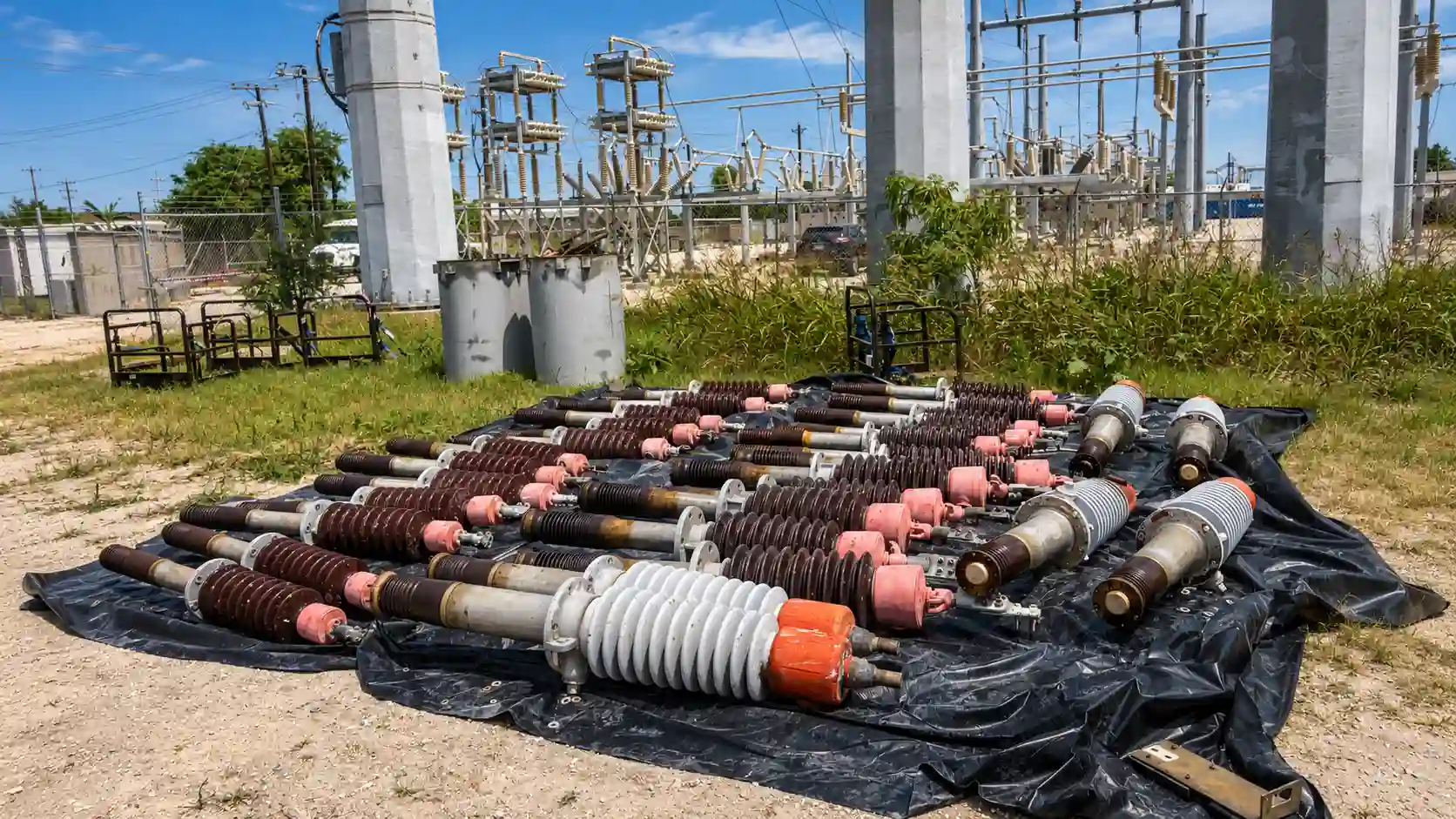
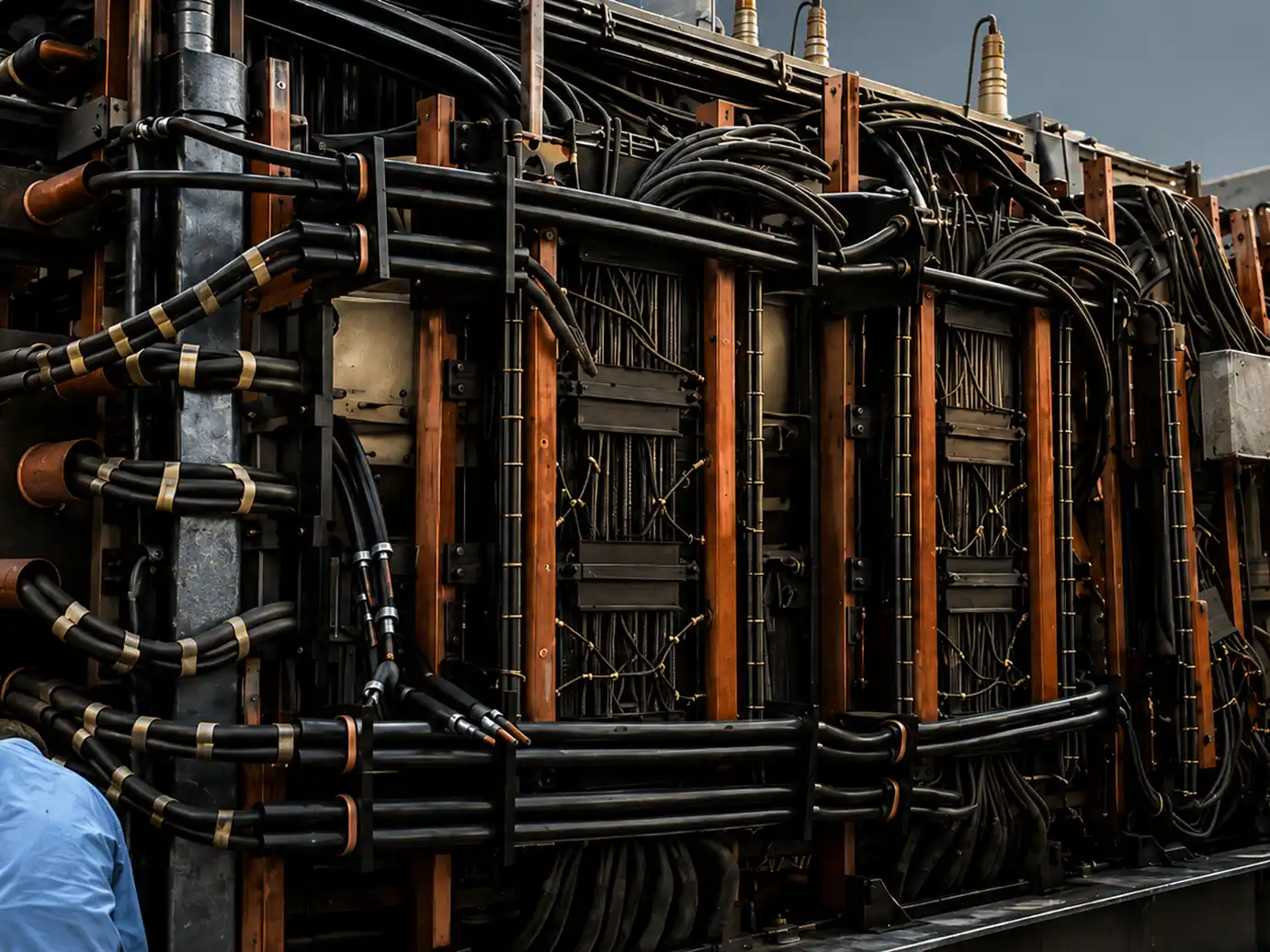
- Dismantling and Inspection: Carefully disassembling the transformer to expose internal components like windings, core steel, and insulation for detailed examination.
- Evidence Collection: Photographing and documenting all findings, including physical damage, wear patterns, and material degradation.
- Failure Mode Analysis: Using diagnostic tools to identify the root cause of failure, such as thermal damage, electrical faults, or mechanical stresses.
- Reporting and Recommendations: Compiling a comprehensive report detailing the findings, supported by actionable recommendations to improve reliability and prevent future failures.
A-Line EDS’s patented equipment and experienced crews ensure that forensic analyses are precise, efficient, and tailored to the needs of each client. By following this systematic process, we provide unmatched support in safeguarding transformer health and operational integrity.
Tools and Techniques for Accurate Forensic Diagnostics
Accurate forensic diagnostics require a combination of advanced tools and expert methodologies to uncover the root cause of transformer failures. Key tools and techniques include:
- Dissolved Gas Analysis (DGA): This technique identifies gases produced by faults in transformer oil, providing insights into issues like overheating, arcing, or insulation breakdown.
- Thermal Imaging: Non-invasive thermal cameras detect abnormal heat signatures that can indicate problem areas within the transformer.
- Insulation Resistance Testing: Measures the effectiveness of the transformer’s insulation system to identify potential weak points.
- Core and Winding Examination: After dismantling, physical inspections reveal wear patterns, damage, and other anomalies in critical components.
- Advanced Metallurgical and Chemical Testing: Analysis of materials, including core steel and winding conductors, helps pinpoint failure modes related to aging or contamination.
- Photographic Documentation: High-resolution imagery is used to document evidence systematically, supporting future investigations and maintenance improvements.
A-Line EDS combines these tools with its proprietary and patented equipment to deliver precise and actionable insights during forensic diagnostics. This approach ensures that all potential failure factors are thoroughly investigated, leading to accurate conclusions and effective recommendations.
The Benefits of Early Detection and Preventative Measures
Early detection of potential transformer issues is critical to preventing catastrophic failures and unplanned outages. Proactive monitoring and forensic analysis enable operators to:
- Extend Equipment Lifespan: Identifying and addressing small issues before they escalate reduces wear and prolongs the operational life of transformers.
- Reduce Downtime: Catching faults early prevents the need for lengthy repairs or emergency replacements, ensuring consistent power delivery.
- Lower Maintenance Costs: Preventative measures are almost always more cost-effective than reactive repairs, minimizing the financial burden on companies.
- Enhance Safety: Early detection of hazards such as oil leaks or insulation failures reduces the risk of accidents and environmental damage.
With A-Line EDS’s expertise in forensic failure analysis, clients can establish a robust preventative maintenance program in the future. This ensures that transformers are regularly assessed for vulnerabilities, improving reliability and operational efficiency.
How Forensic Failure Analysis Improves Fleet Maintenance Strategies
Forensic failure analysis doesn’t just solve immediate problems—it provides valuable data to inform long-term fleet maintenance strategies. Insights gained from detailed analyses help operators:
- Prioritize Maintenance Efforts: Understanding the most common failure modes allows operators to focus on high-risk components or systems.
- Optimize Maintenance Schedules: Data-driven insights help balance routine inspections with operational demands, avoiding unnecessary downtime.
- Enhance Asset Management: Detailed reports from forensic investigations enable better planning for equipment replacements or upgrades.
- Support Predictive Maintenance: By leveraging failure trends and diagnostic data, operators can shift from reactive to predictive maintenance models, preventing issues before they arise.
- Improve Training and Protocols: Analysis findings can be used to educate maintenance teams, refining protocols to prevent future failures.
By integrating forensic analysis into maintenance strategies, our clients can maximize their return on investment and maintain high service standards.
Leveraging Expert Insights for Long-Term Solutions
Forensic failure analysis is not just about solving immediate problems—it’s about developing strategies that enhance transformer health and operational longevity. While A-Line EDS specializes in precision dismantling and preserving forensic data, we have often worked closely with trusted forensic analysis partners who provide the technical expertise needed to evaluate failure causes.
These specialists analyze the preserved components, identify trends across multiple failures when needed, and deliver data-driven recommendations to improve transformer performance, maintenance strategies, and risk management. By partnering with A-Line EDS and our forensic evaluation experts, operators gain a complete picture—from the cause of the failure to actionable solutions.
The Role of Forensic Analysis in Root Cause Identification
Pinpointing the root cause of transformer failures is critical for preventing recurrence and ensuring reliable operations. Forensic analysis goes beyond surface-level diagnostics, digging into every potential contributing factor, such as:
- Electrical faults like short circuits or arcing.
- Thermal issues caused by overheating or insulation degradation.
- Mechanical stresses from vibration or physical damage.
- Environmental influences like moisture ingress or contamination.
At A-Line EDS, our systematic approach to root cause identification combines advanced diagnostic tools, detailed inspections, and expert evaluations. By understanding the precise reasons for a failure, operators can implement targeted corrective actions, ensuring the same issue doesn’t impact other transformers in their system.
Partnering with Specialists for Forensic Investigations
Forensic investigations require both precise decommissioning and expert technical evaluation. A-Line EDS ensures the controlled and detailed teardown of failed transformers, preserving every critical component for analysis. We collaborate with proven forensic specialists who provide comprehensive failure assessments.
Transforming Forensic Data into Actionable Insights for Transformer Health
The true value of forensic failure analysis lies in turning failure data into meaningful solutions. A-Line EDS ensures nothing is lost in the dismantling process, so our forensic partners can conduct precise evaluations and provide strategic recommendations to clients when needed. These insights can inform:
- Maintenance Practices: Adjusting inspection protocols based on identified failure trends.
- Equipment Upgrades: Identifying materials or components that may need improvements.
- Operational Efficiency: Reducing unplanned outages through better asset management.
- Risk Management: Strengthening transformer fleets with proactive failure prevention strategies.
At A-Line EDS, we have extensive experience partnering with trusted forensic investigators to ensure clients receive a complete and reliable forensic investigation. Our commitment is to preserving and delivering clean, uncontaminated data, so failure assessments are as accurate and actionable as possible.
Turning Failures into Future Reliability
Transformer failures can provide valuable insights that drive better maintenance strategies, improved equipment design, and long-term reliability. However, an effective forensic investigation requires both precise dismantling and expert analysis. A-Line EDS ensures that transformer teardowns are conducted with the highest level of precision, preserving all necessary components and data for accurate forensic evaluation. By partnering with industry-leading forensic specialists, we help clients connect the dots between failure causes and actionable improvements that strengthen transformer fleets.
Call A-Line EDS for Expert Transformer Decommissioning
When it’s time to retire, replace, or investigate a failed transformer, trust A-Line EDS for safe, efficient, and environmentally responsible decommissioning and recycling. Our specialized teams ensure that transformers are dismantled with care, preserving the integrity of your investigation.
Contact us today to learn how we can assist with your transformer decommissioning needs. If we can’t do it, it can’t be done!