According to the U.S. Energy Information Administration, more than 70% of the power transformers on the U.S. grid are 25 years old or older. Age alone does not break a transformer. It just stacks the odds. So why do transformers fail? Usually it comes down to a few stresses that build quietly over years and then show up all at once: an outage, a fire hazard, or an oil release that turns into an emergency. Here are the common transformer failure causes, how they get diagnosed, and what to do when a unit goes down.
What Causes a Transformer to Fail?
Degradation and failure are not the same thing. Degradation is the slow wear every transformer goes through: insulation hardens, oil loses dielectric strength, contacts erode. Failure is the point where that wear, or a sudden event, stops the unit from doing its job safely.
Most failures trace back to a short list: insulation and dielectric breakdown, thermal stress, electrical faults, mechanical wear, and defects built in during manufacturing or installation. Each one has its own warning signs and its own way of biting you on a live site.
The Most Common Transformer Failure Causes
- Insulation breakdown and aging dielectric. Heat, moisture, and years of service wear down the paper and oil that keep the windings apart. Drop the dielectric strength far enough and an internal arc can take the unit out in seconds.
- Oil contamination and moisture ingress. Water, dissolved gases, and particulates cut the oil’s ability to insulate and cool. Moisture is a common culprit, and it usually traces back to a seal or gasket that has given up.
- Overloading and thermal stress. Push a transformer past its rating and internal temperature climbs, aging the insulation faster than the design ever assumed. Keep it up and the unit dies well short of its nameplate life.
- Electrical faults, surges, and lightning. Switching surges, short circuits, and lightning hit the windings with voltage they were never built to absorb. One bad transient can do permanent damage on the spot.
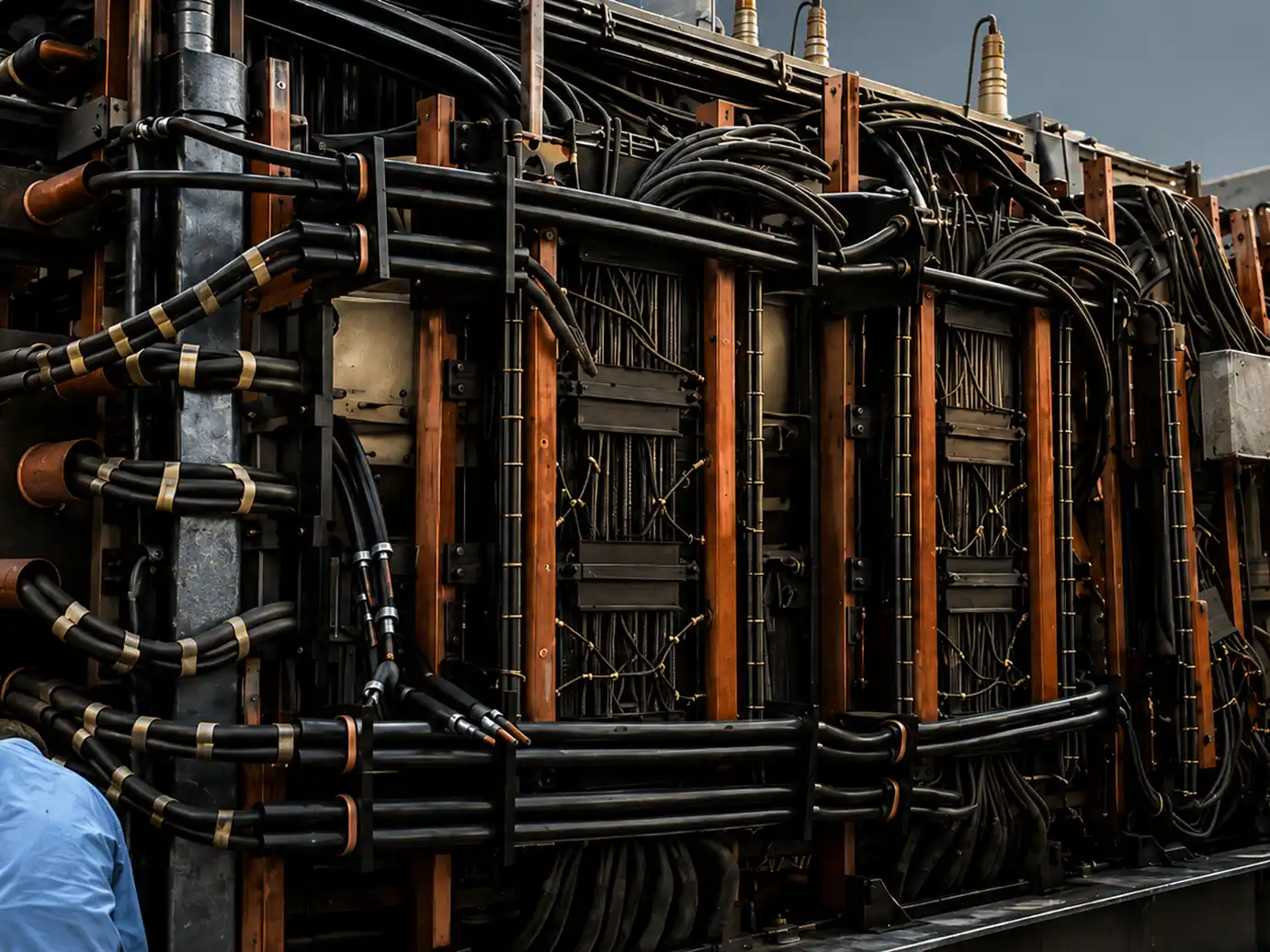
- Mechanical failure. Windings loosen. Bushings crack. Tap changers wear out, and because they move under load, they fail more often than the rest.
- Manufacturing or installation defects. A bad weld, a contaminant left in the tank, or a commissioning error can seed a failure that stays hidden for years.
The pattern is almost always the same. Small problems compound. A minor leak lets in moisture, moisture eats the insulation, and weakened insulation lets go under the next surge.
How Failure Causes Are Diagnosed
Working out why a transformer failed starts with the oil. Dissolved gas analysis reads the gases trapped inside the tank, and the mix points toward overheating, arcing, or partial discharge. Screens for moisture, acidity, and dielectric strength fill in the rest.
Oil tells you something happened. It rarely tells you exactly where or why. That takes a controlled teardown. A-Line E.D.S. performs forensic decommissioning and root cause failure analysis, taking a failed unit apart in sequence to find where the fault started. For a utility or a manufacturer, that answer drives the next decisions: warranty claims, insurance, and whether sister units in the fleet carry the same flaw. Our breakdown of why forensic analysis matters after a failure covers what a teardown can reveal.
What Happens to a Failed Transformer?
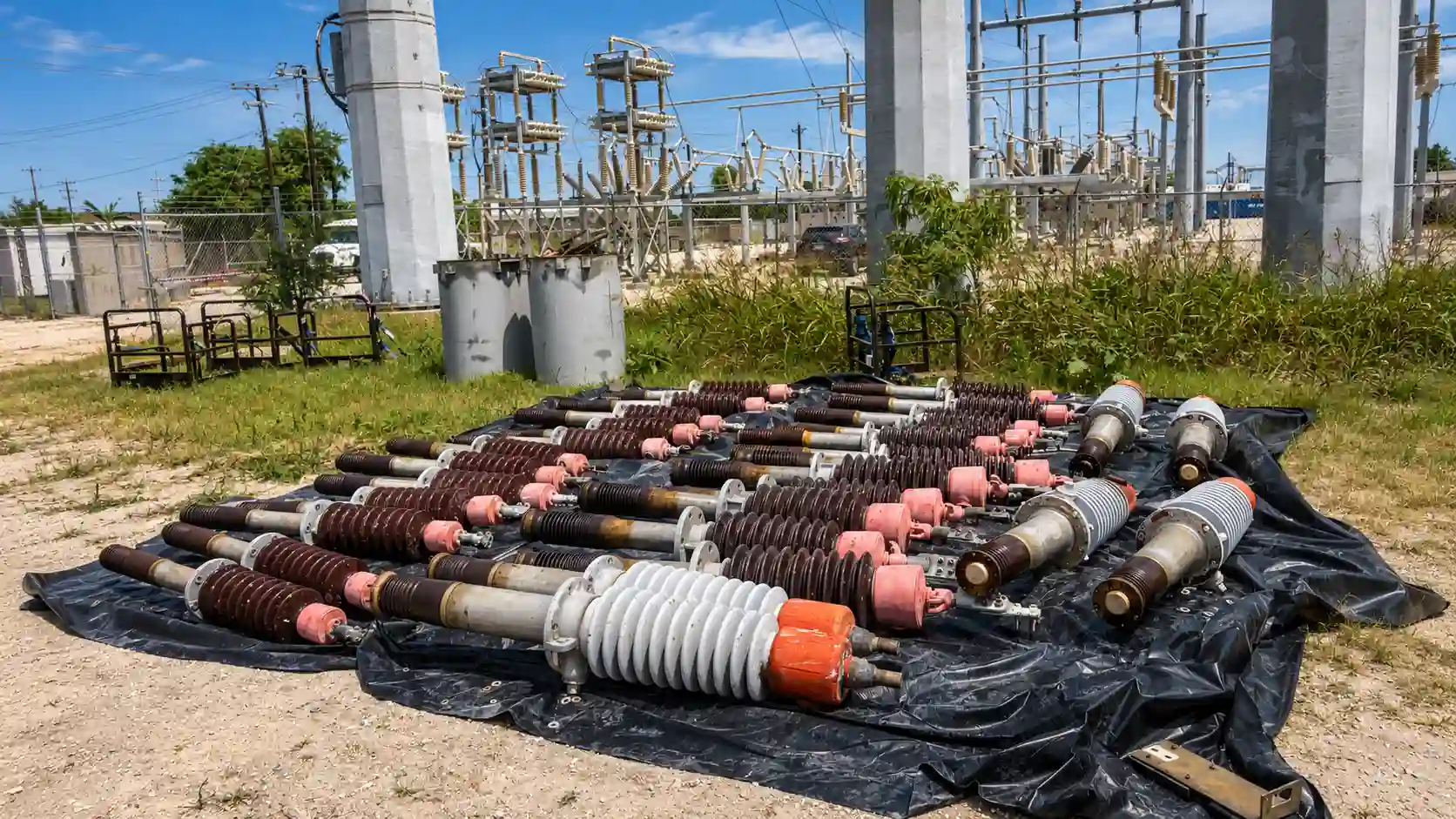
A failed transformer is a liability until it is gone. The oil may carry PCBs. The metals have recovery value. And every step of removal falls under federal and state rules.
The work runs in a set order: test the oil, drain and contain it, dismantle the unit, then route the materials to recycling or disposal. Transformer oil and any PCB-contaminated parts need documented handling from start to finish. A-Line E.D.S. manages PCB handling and disposal through a process permitted by the EPA, and recycles the metals and oil that still hold value instead of burying them in a landfill.
Where to Get Help with a Failed Transformer
A failing or failed transformer is not a job for a general scrap hauler. It needs crews trained on hazardous materials, equipment built for heavy cores and windings, and the insurance to stand behind the work. A-Line E.D.S. has handled transformer removal and recycling for most of the major power companies in North America since 1997, with the full range of transformer removal and recycling services under one roof. When a unit drops without warning, the clock starts immediately; here is how emergency response for transformer failures should unfold.
From the first oil sample to final site cleanup, the goal does not change: get the unit out safely, keep you compliant, and return value where the equipment still holds it.
Dealing with a failed or failing transformer? Call A-Line E.D.S. at 800.760.0222 for fast, safe removal and forensic analysis. Contact the team here.