A transformer rarely announces that it is about to fail. One shift it hums along; the next, it is down, and the plant floor, substation yard, or server room goes quiet with it. The sticker price of a replacement unit is the first number most facility managers brace for, but it rarely makes the final tally.
The real cost of transformer failure is built from a dozen smaller costs stacked on top of each other, and most facilities only start counting them after the fact. Understanding the full cost of transformer failure before it happens is what separates a manageable repair from a budget-wrecking emergency.
What Goes Into the Cost of Transformer Failure?
Every transformer failure carries two kinds of costs: direct costs you can see on an invoice, and indirect costs that show up later, spread across production reports, insurance claims, and environmental remediation bills. Direct costs are straightforward. They include the replacement unit itself, installation labor, and the logistics of getting a new transformer on site. Indirect costs are where the real damage happens, and a facility’s operations and maintenance teams are usually best positioned to see them coming because they live with the aftermath.
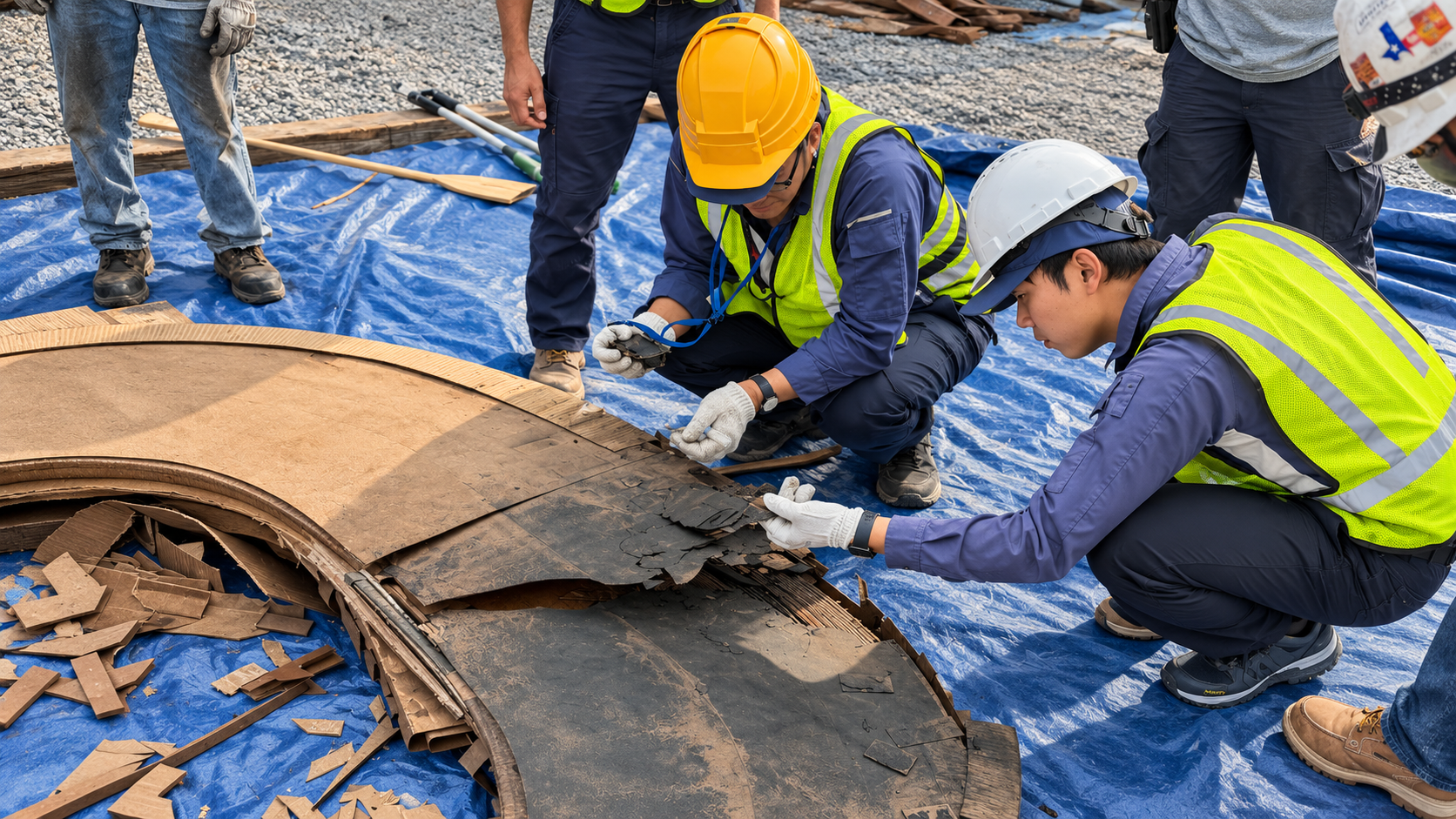
A failed transformer does not just need to be replaced. It needs to be understood. In our decommissioning work, facilities that come out ahead rarely move fast enough to simply swap in a new unit. They treat the failed transformer as a data source, taking the time to understand why it failed before deciding how to prevent the next one. That distinction alone often determines whether transformer failure becomes a one-time hit or a recurring line item.
The Hidden Costs of Unplanned Transformer Failure
Unplanned downtime gets the most attention, and for good reason: every hour a facility runs on backup power, partial capacity, or no power at all means lost production, missed shipments, and idle labor. Emergency response adds its own premium. Crews called in on short notice, expedited shipping, and after-hours labor rates all cost more than the same work scheduled in advance.
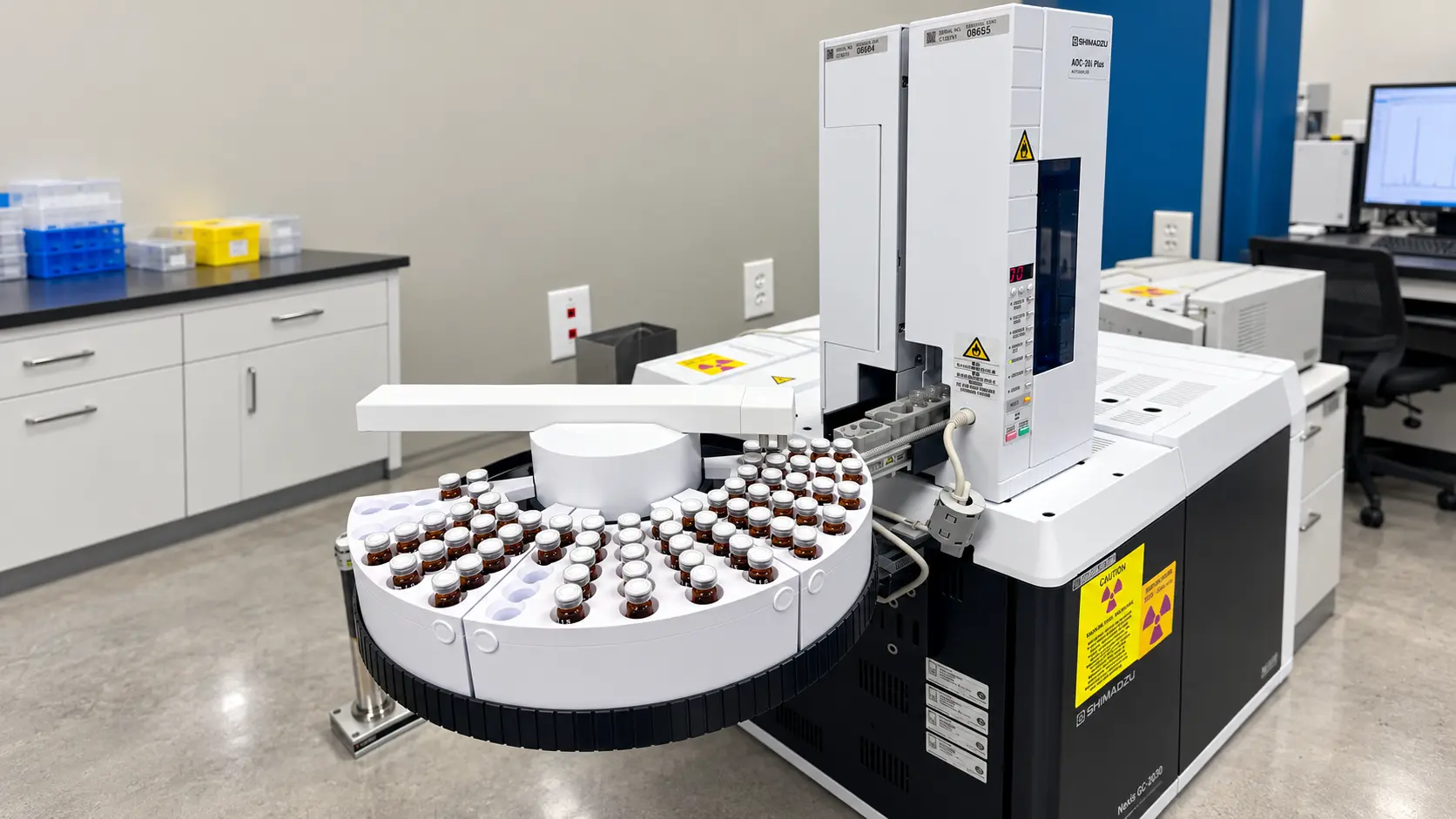
Then there is the cleanup. Older transformers can still contain PCB-contaminated oil, and a failure that releases it turns a mechanical problem into an environmental one, with testing, containment, and disposal costs that a facility without owned storage and a testing lab on standby can’t absorb quickly. Safety and liability exposure follow close behind, since an uncontrolled failure puts people and property at risk in ways a planned decommissioning never does.
Perhaps the least visible cost is time itself. According to the U.S. Department of Energy’s Office of Electricity, large power transformers are typically custom-built, with procurement lead times of a year or longer. The U.S. Government Accountability Office’s 2023 review of grid resilience found that utilities describe these units as costing as much as $10 million to purchase, with transport alone adding hundreds of thousands of dollars. A facility that waits until failure to start shopping for a replacement faces more than a repair bill. It faces a waiting list, which is why facilities that plan decommissioning and recovery stay ahead.
Cost, Efficiency and ROI of Proactive Transformer Management
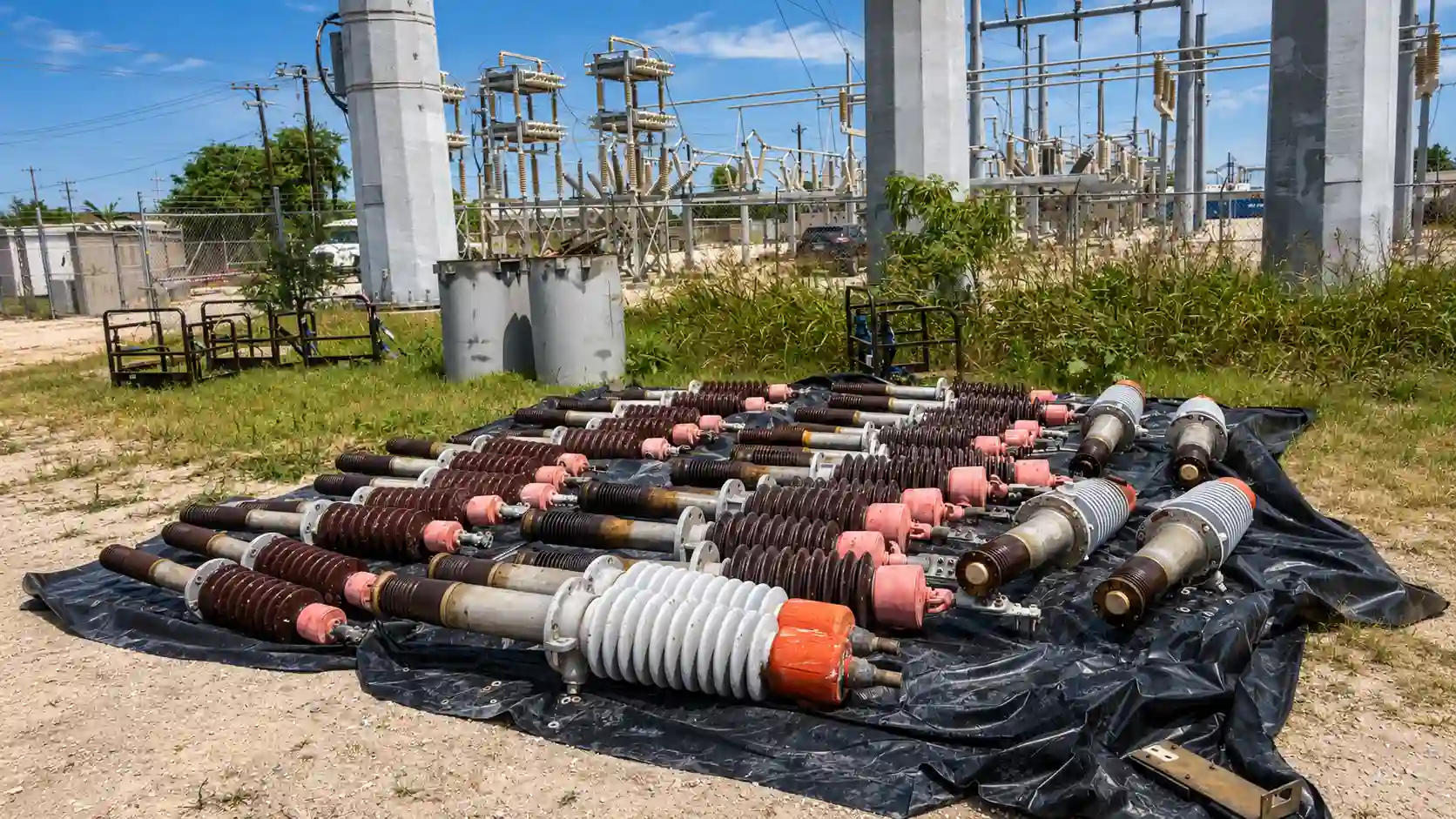
The gap between planned decommissioning and emergency response is where most of the savings in this equation live. A scheduled teardown lets a facility control the timeline, line up a qualified crew, and avoid the premium pricing that comes with calling someone at 2 a.m. It also opens the door to recovering value instead of only spending it. Since 1997, A-Line E.D.S. has recycled more than 975 million pounds of metals and over 100 million gallons of transformer oil.
That recovered material has real market value that flows back to the customer rather than disappearing into a landfill. Our team handles recovery through on-site removal and recycling, keeping the process on the facility’s schedule, and our oil recycling process is built to handle every PCB level a decommissioned transformer might contain. Planning does not just reduce the cost of transformer failure. It turns part of that cost back into a return.
How Forensic Analysis Reduces Future Transformer Costs
A transformer that fails once may not be the last if nobody finds out why. Forensic decommissioning answers that question through a controlled, factory-style on-site teardown, rather than guesswork after the fact. Engineers, consultants, manufacturers, and insurers rely on this kind of root-cause analysis to determine whether a failure came from a manufacturing defect, an overload condition, an aging insulation system, or something else entirely.
Our forensic decommissioning service delivers that answer, so a facility managing a fleet of similar transformers can act on real findings instead of repeating the same expensive mistake on the next unit. Reducing transformer failure costs over the long run depends on treating every failure as a lesson the rest of the fleet can learn from.
A-Line E.D.S.: Turnkey Transformer Recovery From Our Waterloo, Iowa Facility to Utilities Nationwide
A-Line E.D.S. has been decommissioning, recycling, and disposing of transformers since 1997, working with utilities and manufacturers across North America from our Waterloo, Iowa facility. We own and operate our own PCB commercial storage facility and in-house PCB testing laboratory, so we handle testing, containment, and disposal after a transformer failure under our roof rather than handing it off to a third party on someone else’s schedule.
We are also a CHWMEG-audited and approved facility for transformer decommissioning and PCB disposal, a credential that gets checked, not just claimed. That combination of nearly three decades in the field, owned facilities, and an audited track record is what a facility buys when the cost of a failed transformer is already on the table
Ready to Turn a Transformer Failure Into a Managed Recovery?
A transformer failure does not have to end with a disposal bill and an unanswered question. When you bring in a team that handles removal, recycling, oil and PCB disposal, lab testing, and forensic analysis as one connected process, you get the equipment off your site fast, you get the materials recovered at fair value, and you get an answer for why it happened in the first place, all coordinated by one point of contact instead of a chain of separate vendors. Get a quote from A-Line E.D.S. today and see what managed recovery actually looks like.